EXECUTIVE SUMMARY
This report presents the findings from the comprehensive baseline assessment of primary health care (PHC) facilities in the Olorunpodo and Itebu-Manuwa communities, located within the Ijebu- East and Ogun Waterside Local Government Areas of Ogun State, Nigeria. The assessment was undertaken to evaluate the current state of these facilities, identify gaps in service delivery, and provide actionable insights to enhance healthcare access and delivery of quality care in these rural communities.
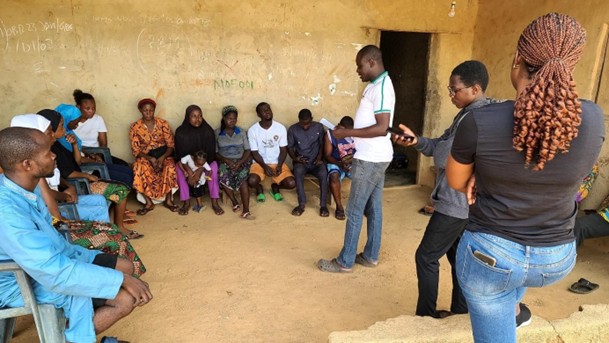
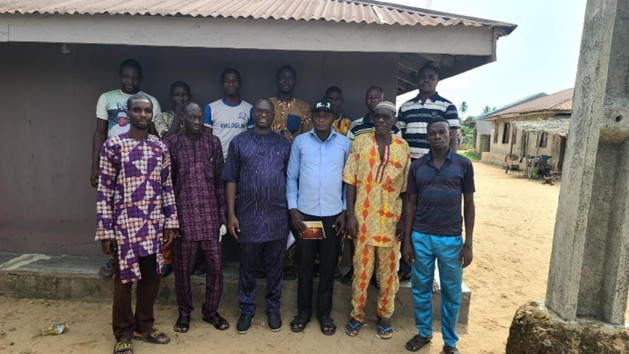
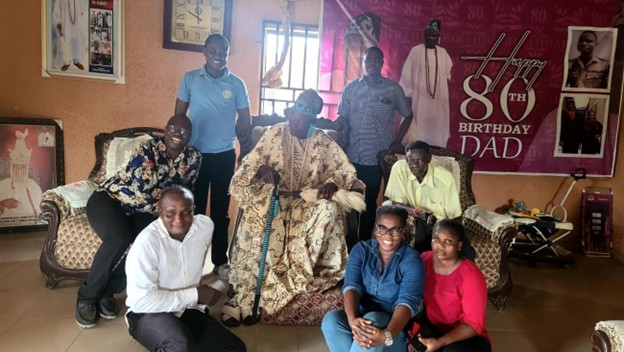
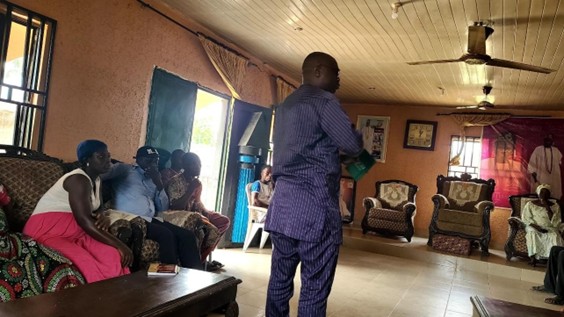
This study utilized a mixed method incorporating desk review, quantitative and qualitative research methods. Mapping of relevant stakeholders in the state was also conducted. Identified key stakeholders from relevant ministries, departments, and agencies (MDAs) and gatekeepers (community/religious leaders) were contacted and informed about the study. The community gatekeepers championed the community sensitization meetings where the ACIOE foundation team engaged with community members, service providers, and other key players. The study developed structured questionnaires for relevant key players at the state, local, and community levels. Data analysis was done using a thematic approach, which involved identifying patterns and themes across the data. This method allowed for a deeper understanding of the data by categorizing words and phrases, ultimately providing comprehensive insights into the healthcare challenges and needs of the communities studied.
A total of 18 Key Informant Interviews (KIIs) and 6 Focus Group Discussions (FGDs) were conducted across the two communities and at the state and local government levels, involving 92 respondents. The respondents included a diverse range of categories, such as healthcare providers (chemists, health posts, and Primary Healthcare Centers), community and religious leaders, women of reproductive age, men, youths, and representatives from relevant Ministries, Departments, and Agencies (MDAs) at both local and state levels.
The study identified six healthcare facilities, three in each community, with notable findings about their capacity to deliver healthcare services and accessibility. Most facilities served populations of less than 5000, except for Itebu-Manuwa Health Center, which serves 5000- 10,000 people. Facilities generally serve about five communities each and are easily accessible within short distances. However, chemists dominated private healthcare options, and Itebu- Manuwa had only one public primary health center. The severe shortage of qualified medical personnel was identified across all facilities, impacting critical healthcare services like antenatal care, delivery, and immunization availability.
Findings from the focus group discussions (FGDs) in the Olorunpodo and Itebu-Manuwa communities revealed distinct health-seeking behaviors influenced by cultural beliefs, accessibility, and perceptions of traditional versus orthodox medical practices. Traditional medicine is preferred due to its cultural integration, accessibility, and effectiveness in treating spiritual ailments and providing first aid, though it lacks diagnostic precision. Orthodox medicine, appreciated for its thoroughness and reliability, is favored for chronic illnesses, diagnostics, and childbirth despite fewer facilities and a stronger cultural pull towards traditional practices in Olorunpodo. Both communities lack awareness of telehealth and health insurance but recognize their potential benefits, particularly in improving healthcare access and reducing costs.
The recommendations for improving healthcare access and quality in the Olorunpodo and Itebu- Manuwa communities include:
1) Developing and maintaining better road infrastructure to ensure year-round access to healthcare facilities, particularly critical during emergencies and the rainy season.
2) Implementing power interventions to provide reliable electricity, enhancing community well-being and supporting healthcare facilities.
3) Establishing fully equipped primary health centers within communities, supported by public-private partnerships, to reduce the need for long-distance travel for medical care.
4) Employing Indigenous health workers to ensure continuity of care and address turnover challenges.
5) Deploying telemedicine to enhance access to consultations and specialist care…Click to download